China’s Custom Home Furnishings Industrial Cluster Makes a Strong Debut in Southeast Asia
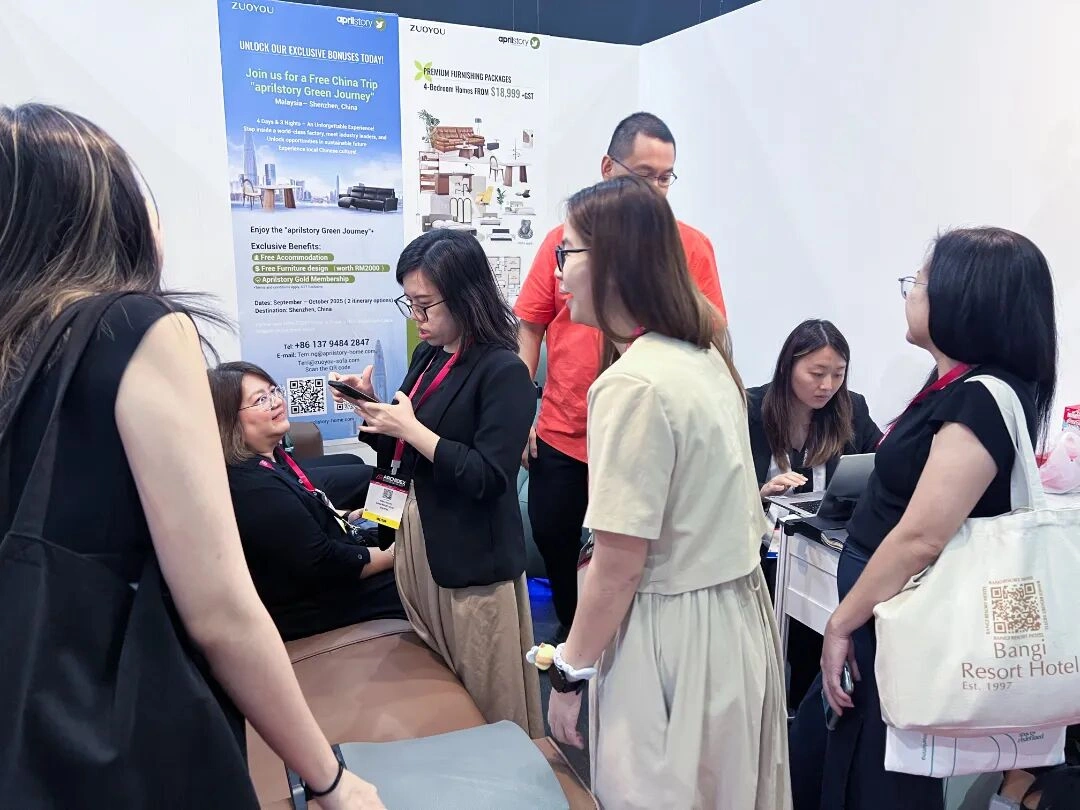
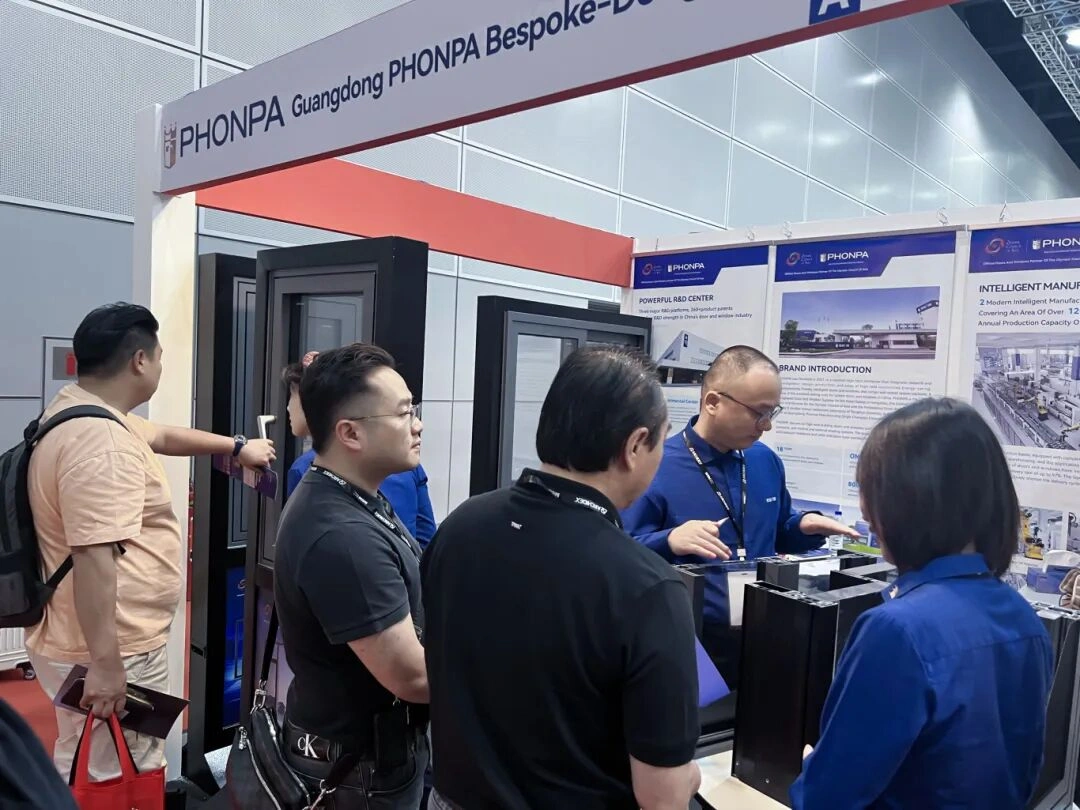
The four-day ARCHIDEX Malaysia International Architecture, Interior Design and Building Materials Exhibition successfully concluded. As one of the most well-attended and professionally focused featured zones at ARCHIDEX 2025, the China–Malaysia Custom Home Furnishings Zone quickly became a focal point for global professional buyers from the opening day.
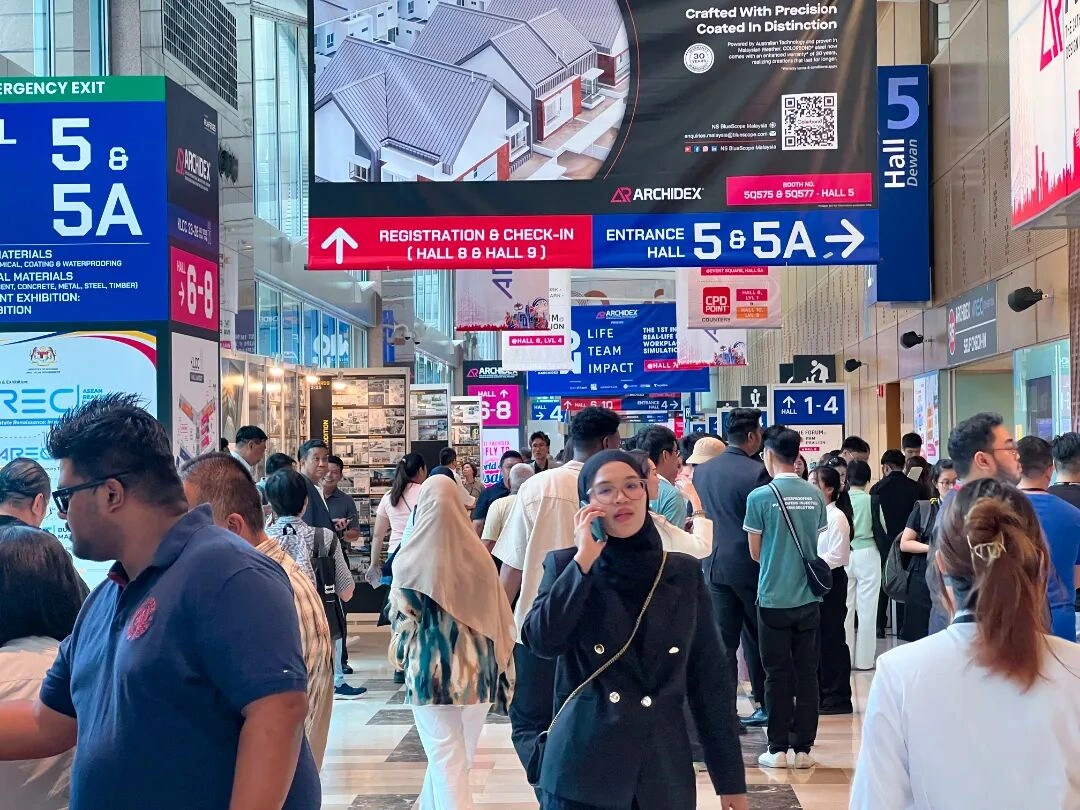
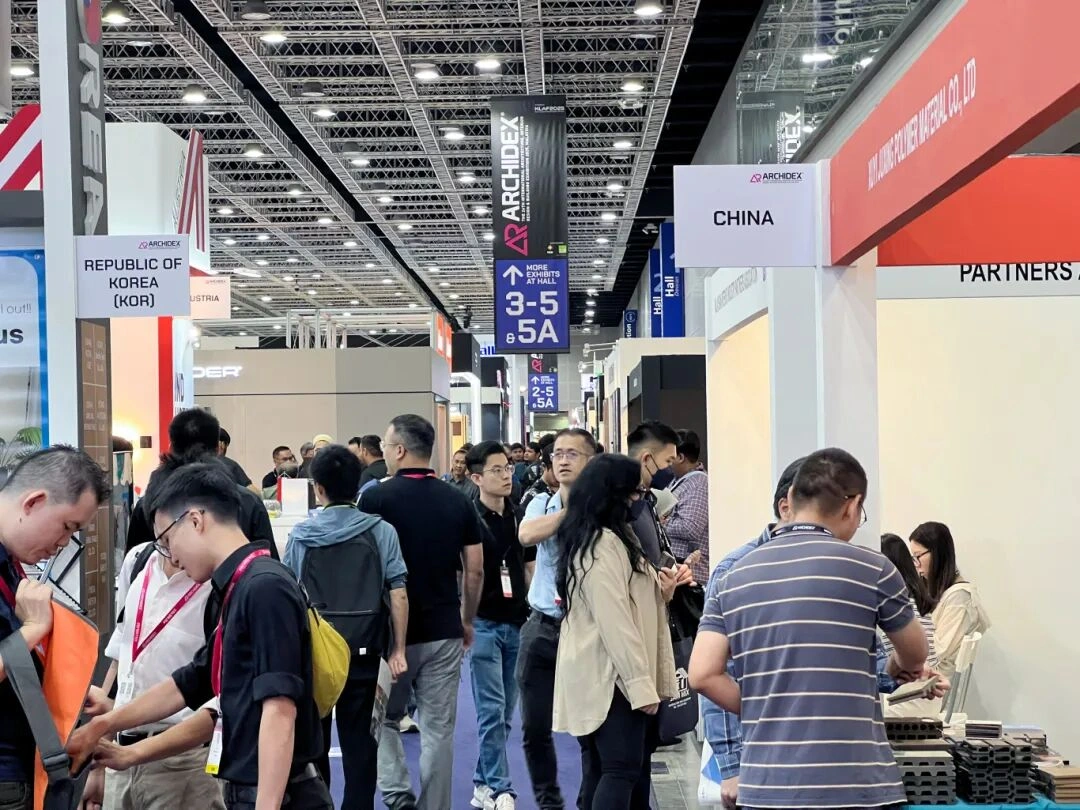
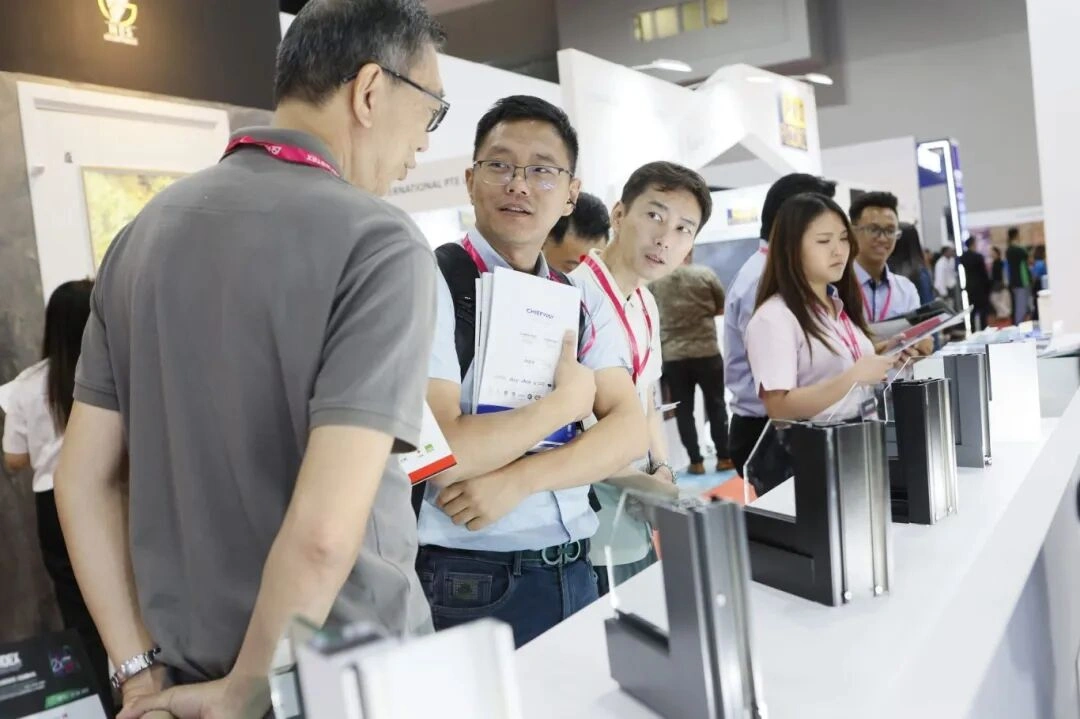
Showcasing forward-looking design concepts, a mature supply chain system, and innovative technologies, China’s custom home furnishings sector attracted strong on-site engagement and generated tangible commercial outcomes. The debut of China’s custom home furnishings industrial cluster at ARCHIDEX marked a notable and impactful first appearance in the Southeast Asian market.
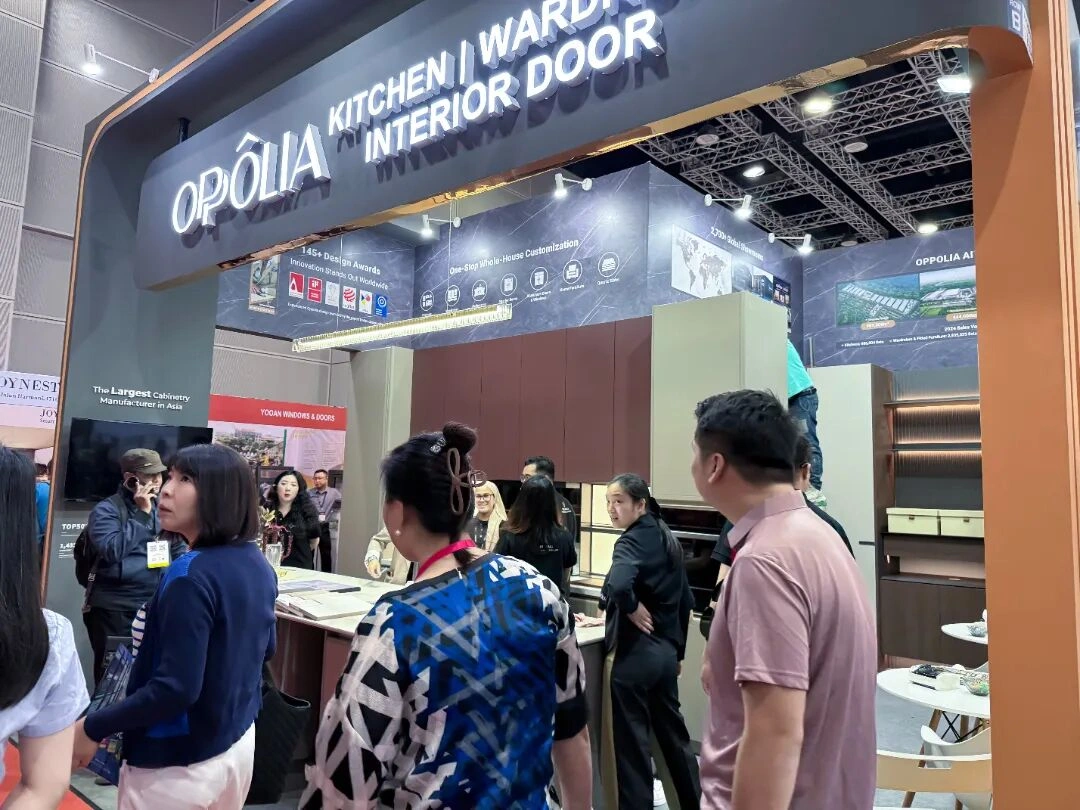
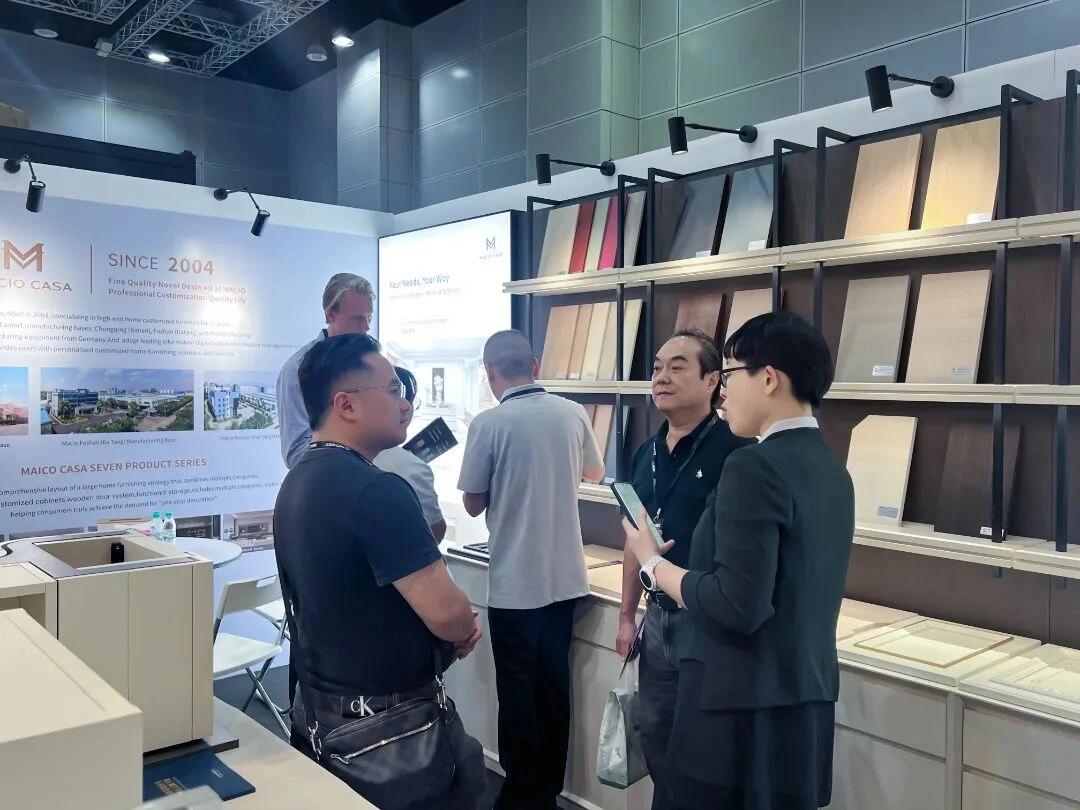
Strong Market Demand, Limited Local Supply
A Window of Opportunity for Chinese Home Furnishings Companies
Bringing forward-looking design concepts and innovative products, China’s custom home furnishings industry achieved a precise alignment with Southeast Asia’s industrial resources and consumer demand, offering a clearer view of the sector’s potential for overseas expansion.
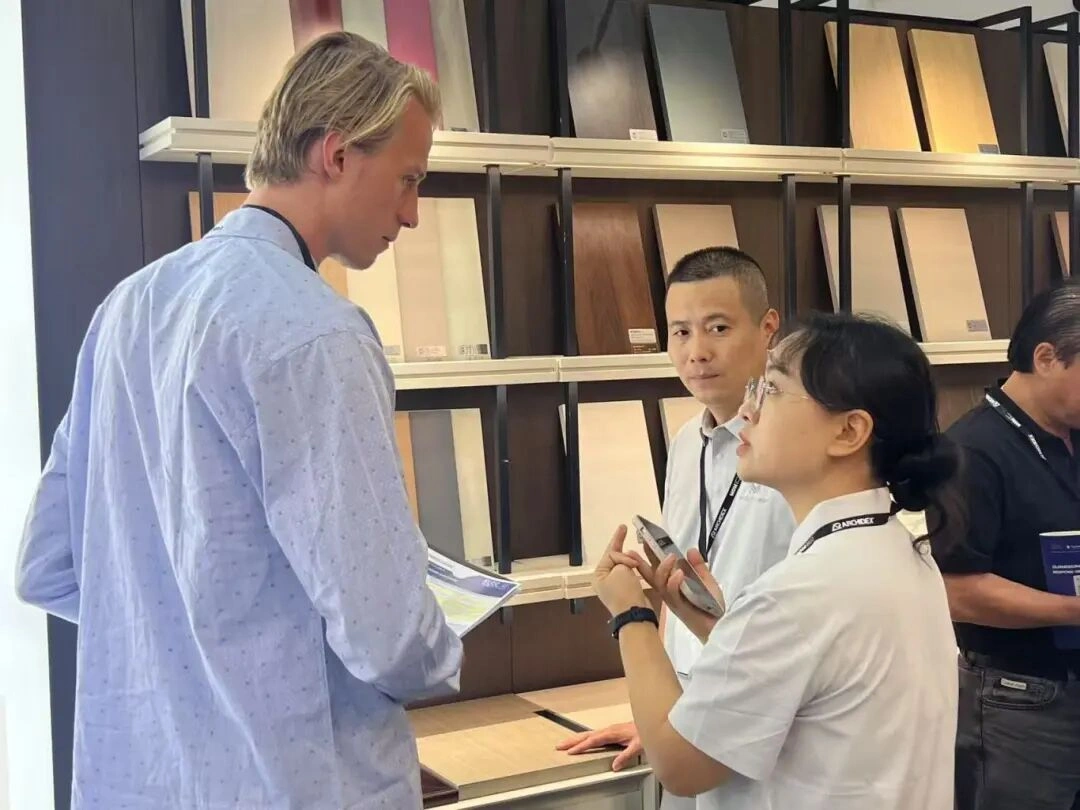
Distributors, architects, designers, and buyers expressed strong interest in high-quality, cost-effective Chinese home furnishing products, welcoming closer cooperation ranging from technical exchange to joint market development. Together, stakeholders explored ways to localize China’s products, business models, and service capabilities in the Malaysian market.
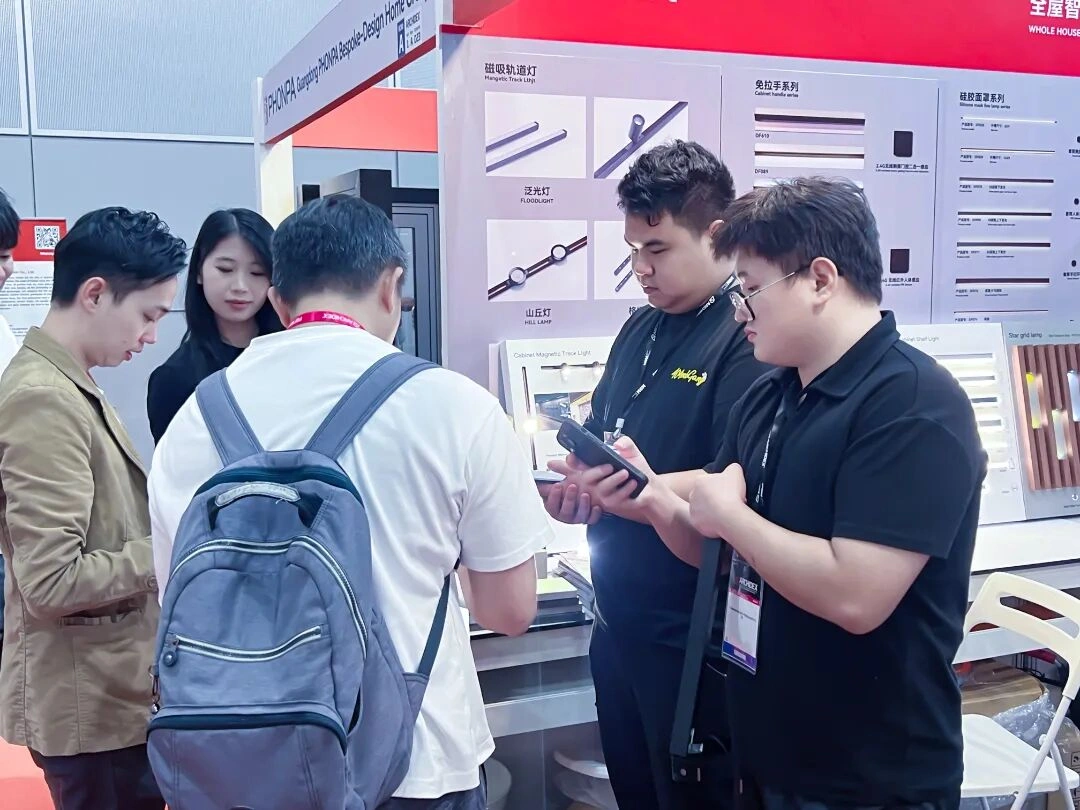
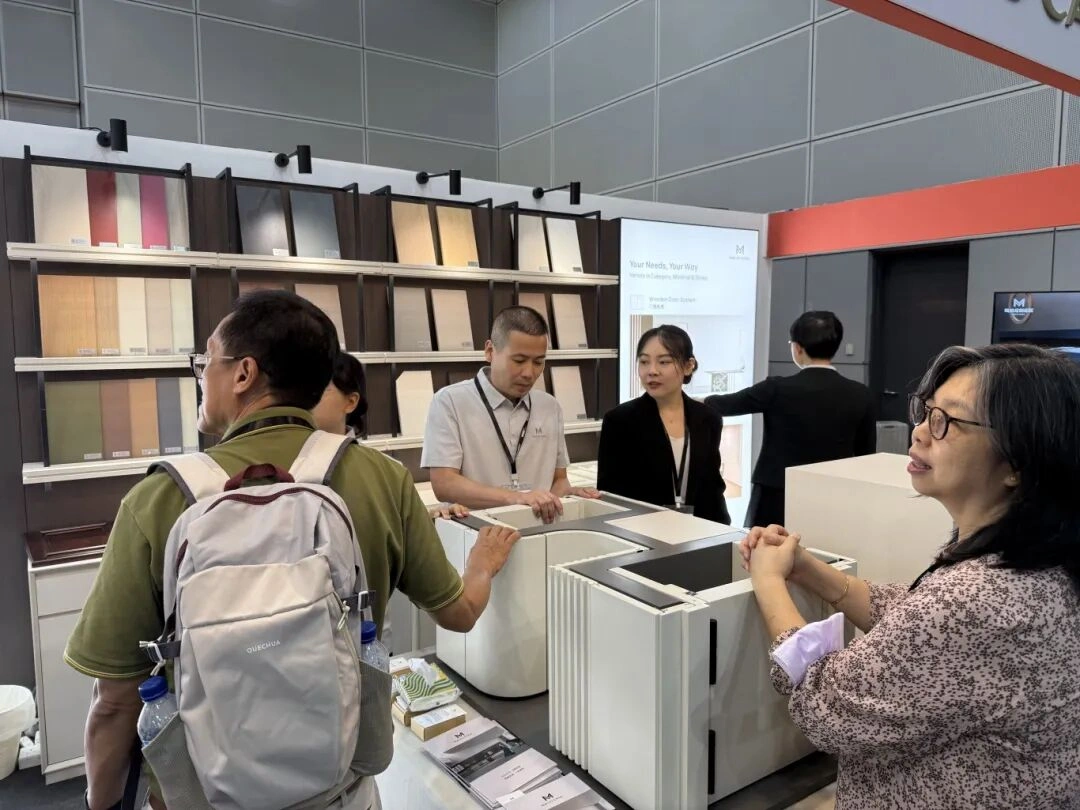
Malaysia continued to demonstrate stable economic growth and a dynamic real estate market. According to local industry organizations, demand for home furnishings—across residential developments, private landed homes, and renovation projects—remained robust, with sustained growth in demand for high-quality, competitively priced products.
From visitor engagement at the China–Malaysia Custom Home Furnishings Zone, strong interest was observed in custom furniture, system doors and windows, smart home solutions, and eco-friendly materials. From functional solutions to personalized design, Malaysia’s home furnishing market was clearly undergoing a phase of consumption upgrading.
In comparison with other imported brands, Chinese home furnishing products demonstrated clear advantages in quality, design, cost performance, and service capability.
At the same time, Malaysia faced a structural gap in the local supply of quality home furnishing products. High-end custom furnishings, premium building materials, and smart systems remained highly dependent on imports, while local manufacturers continued to source a significant proportion of raw materials from China.
Although custom home furnishings had already emerged in the Malaysian market, they were not yet widely adopted. The next two to three years were identified as a key entry window for Chinese custom home furnishing brands, while upstream supply chain enterprises were expected to benefit from a longer-term growth cycle.
With the world’s most advanced custom home furnishing industrial chain and a mature service ecosystem, China offered extensive room for cooperation with Malaysia across product design, manufacturing technology, and market development, jointly expanding the scale and depth of the local market.
- About the exhibition
- Exhibition Center
- Visitor Services
- Information Center
- Exhibition services
- Contact Us




zhonglianw.com
ARCHIDEX Exhibition
Indonesia International Custom Home Furnishing EXPO
法律声明
GUANGZHOU BOJUNHOME 广州博骏家居科技有限公司©版权所有
Copyright 2022-2029 BOJUN EXPO.All rights reserved 粤ICP备15057367号